
Gaps between water samples
A morning sample does not show how dissolved oxygen changed during the night.
SMART AQUACULTURE · MONITORING & CONTROL
Water-Quality Monitoring, Equipment Control and Anomaly Alerts
Monitor water quality and equipment status centrally, and connect aerators, pumps and other devices for remote operation, schedules and anomaly alerts. Monitoring parameters, electrical interfaces, network conditions and offline behavior are confirmed by project.
On site
Manual sampling and distributed equipment can leave gaps in water-quality records and alarm coverage.
A morning sample does not show how dissolved oxygen changed during the night.
Restarting aerators across several ponds requires staff to travel between control points.
Rain, heat and oxygen changes may occur when fewer staff are present on site.
Without historical curves, operators cannot compare water conditions and equipment operation across production cycles.
System workflow
Plan measurement, backhaul, equipment control and staff notification as distinct paths.
Water-quality and weather instruments connect to the serial interface of a pond-side Y201-L.
A receiving Y201-L passes serial data to a Y201-G 4G gateway for the application uplink.
The platform displays measurements, trends and configured alerts for the connected ponds.
A matched local controller operates aerator or valve circuits. Y901-L provides staff-operated multi-point warning.
Y403-11-L supports coordinated contact linkage, not independent valve addressing. Y901-L alarms are triggered by their built-in buttons; automatic sensor-triggered warning needs a compatible alarm interface.
Monitoring and control
YenGear IoT Cloud supports daily monitoring, alerts, remote control, historical data, and optional customization.
The quotation specifies cloud access, hosting, integration and recurring service terms.
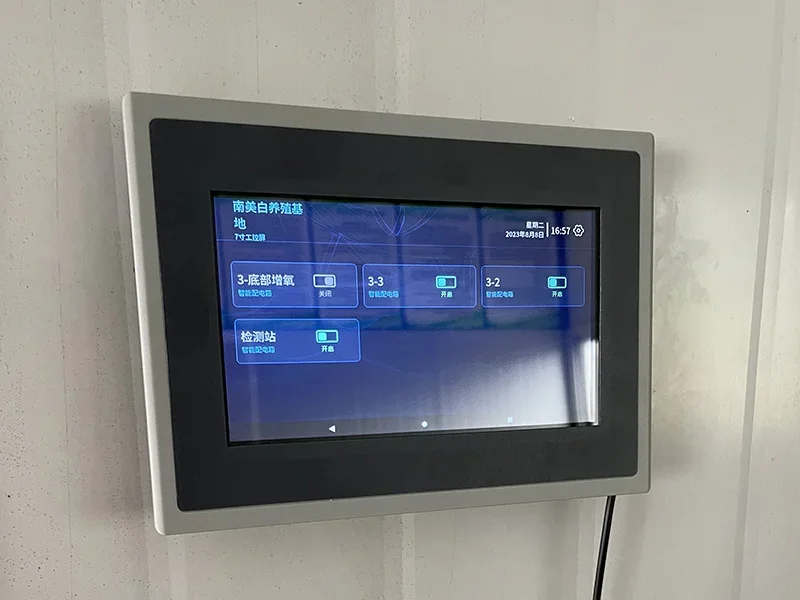
Authorized users can check pond status, alarms and control points through app and web interfaces.
Review on-site weather station data, forecast information and pond trends together.
Archive curves by pond and production cycle for later comparison.
Monitoring and control
The deployment can combine water-quality monitoring, local equipment linkage and on-site alarms.
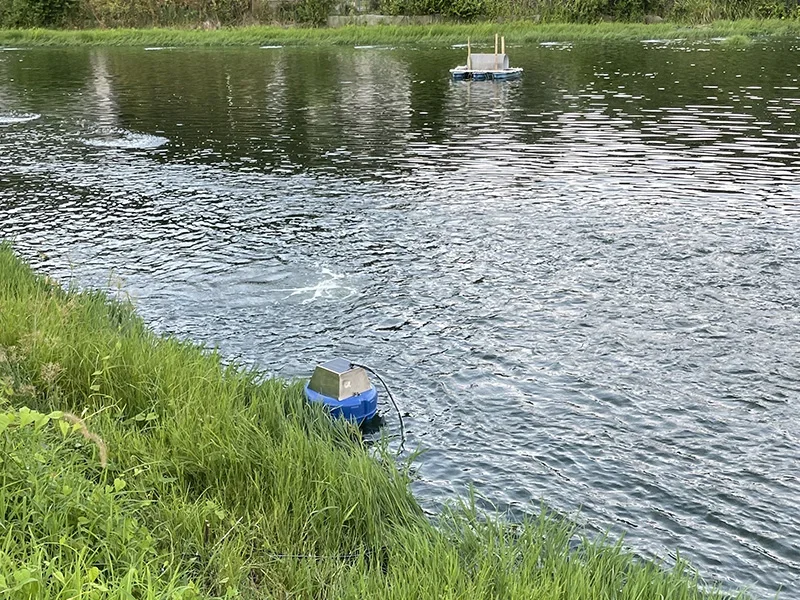
Collect dissolved oxygen, pH, water temperature, and optional sensor data through pond-side serial gateways.
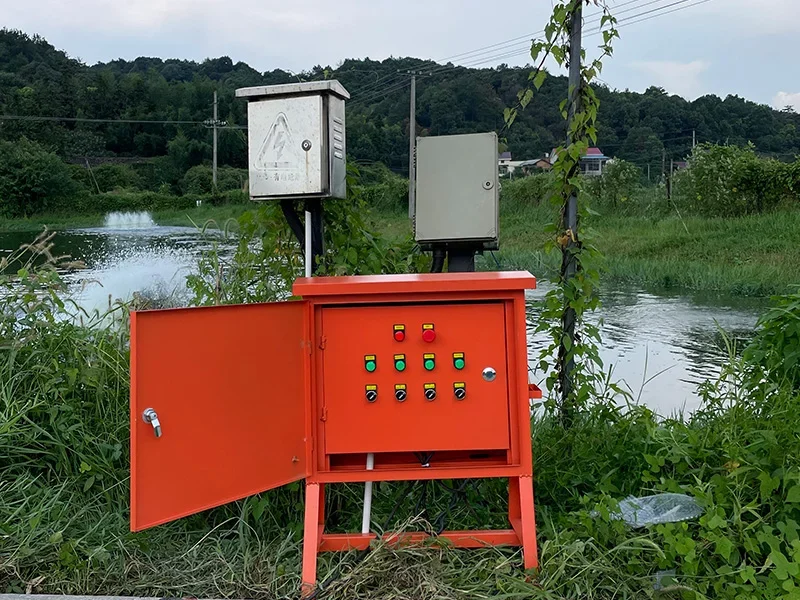
Use matched controllers for aerator or valve actions. Y403-11-L can carry coordinated contact linkage with its standard all-node output behavior.
Staff can press a Y901-L button to start multi-point audible-visual warning across its own network.
Monitoring and control
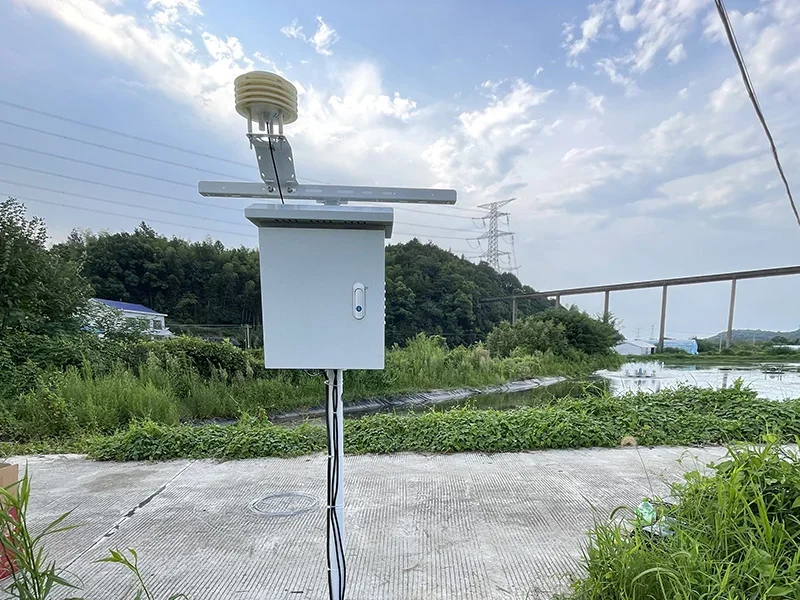
Air temperature, humidity, rainfall, and external weather alerts give operators context before a storm reaches the ponds.
Small weather station readings are viewed alongside dissolved oxygen, pH, and water temperature so pond changes are not interpreted in isolation.
When rainfall and forecast warnings are combined with pond trends, farms can prepare aeration, drainage, valve actions, and inspections earlier.

Application examples
The same architecture can be adapted to freshwater ponds, seawater sites, shrimp and crab farms, and hatcheries after a site review.
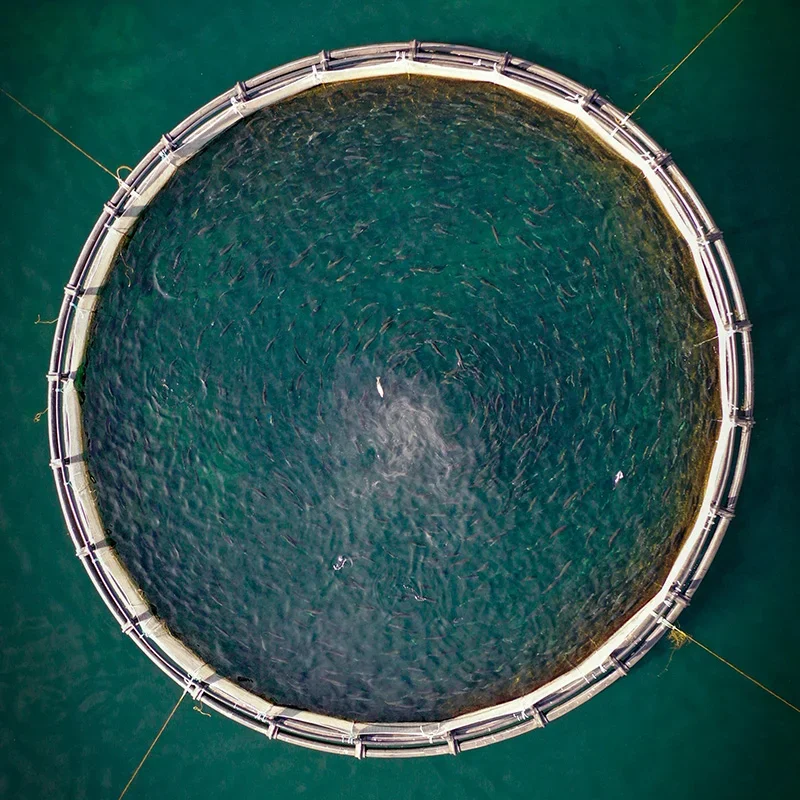
Monitor DO, pH, and temperature; link low-oxygen thresholds to aeration and on-site alarm workflows.
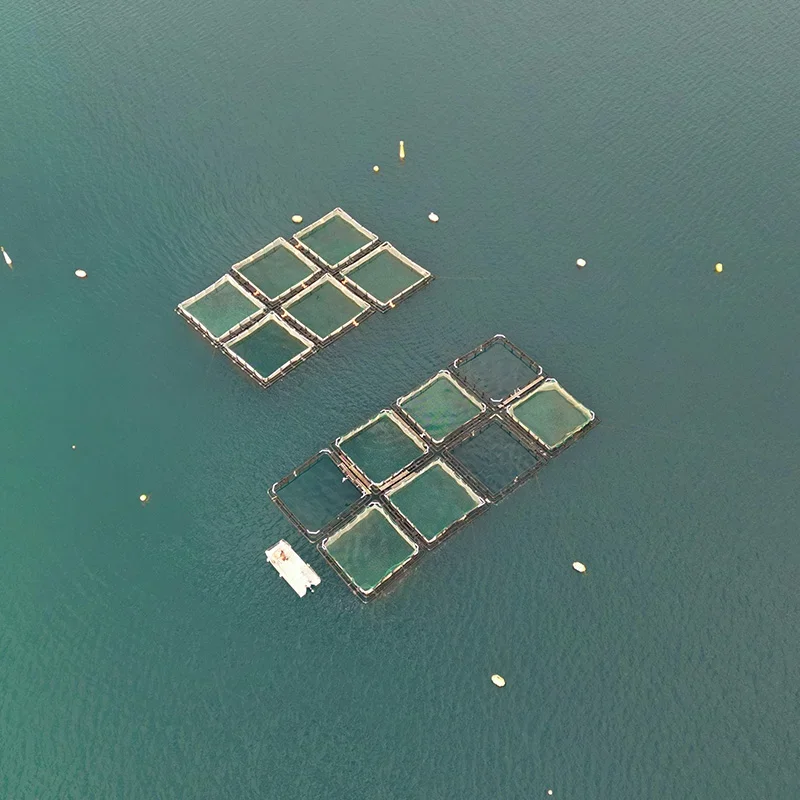
Add rainfall and forecast context so operators can prepare inlet valve and aeration actions before water conditions shift.
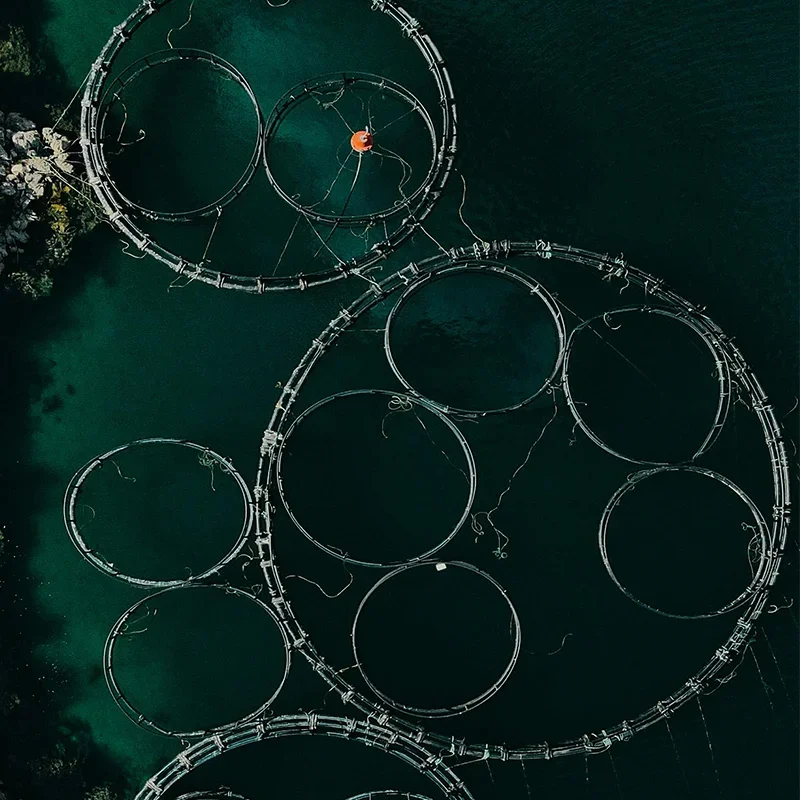
Track oxygen and temperature risk at night and use alerts to guide feeding and emergency response.
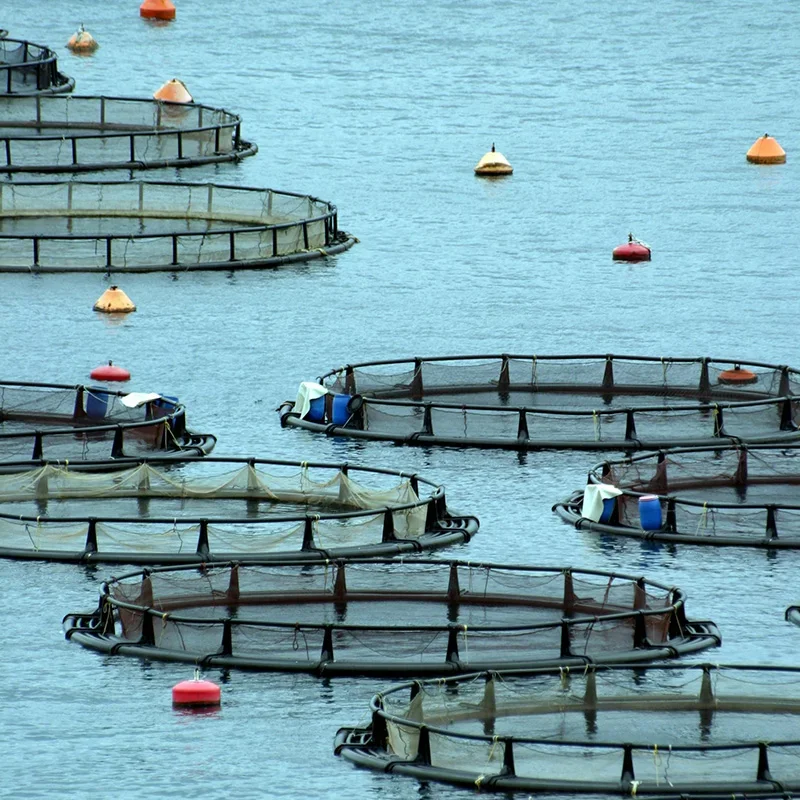
Use tighter monitoring and alarm workflows for temperature and oxygen-sensitive young stock.
Deployment planning
Combine water-quality monitoring, local equipment linkage and on-site alarms around the pond layout.
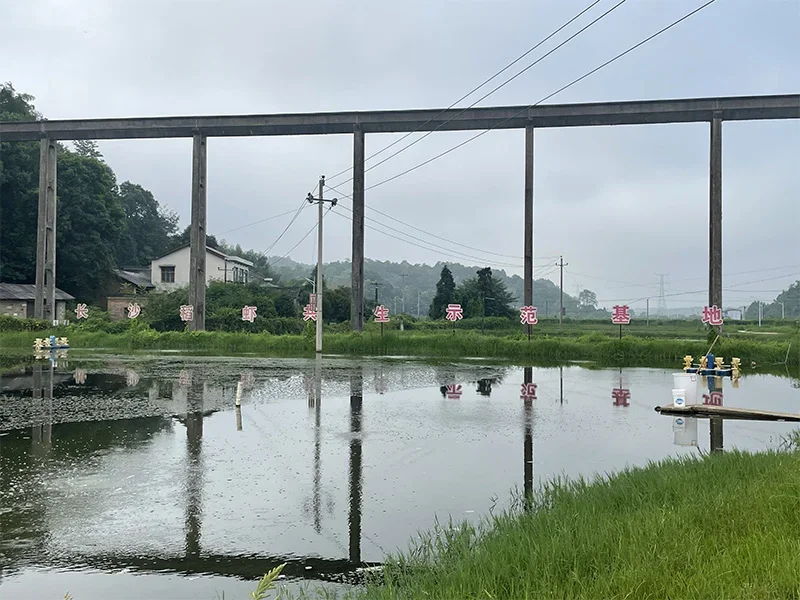
Connect pond sensors, gateway and local alarm points according to the site layout.
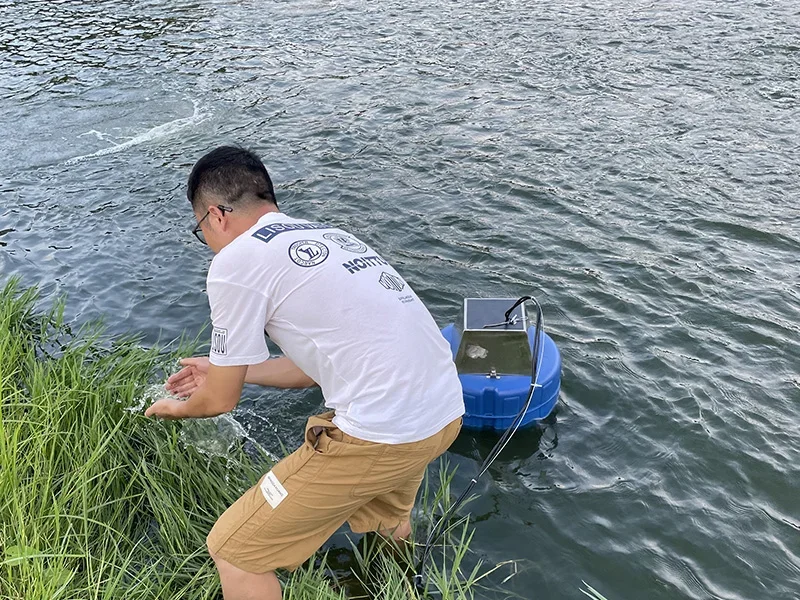
Water-quality sensors can send readings through Y201-L LoRa nodes to a Y201-G 4G gateway. Y403-11-L modules can link local aerator outputs, while Y901-L alarms can notify pond-side and duty-room staff.
Water-quality sensors connect to pond-side Y201-L devices. A receiving Y201-L passes serial data to the Y201-G uplink; local controllers and staff-operated Y901-L alarms form separate response paths.
Deployment planning
Lightning, power failure, and electrical safety are treated as part of the aquaculture system design.
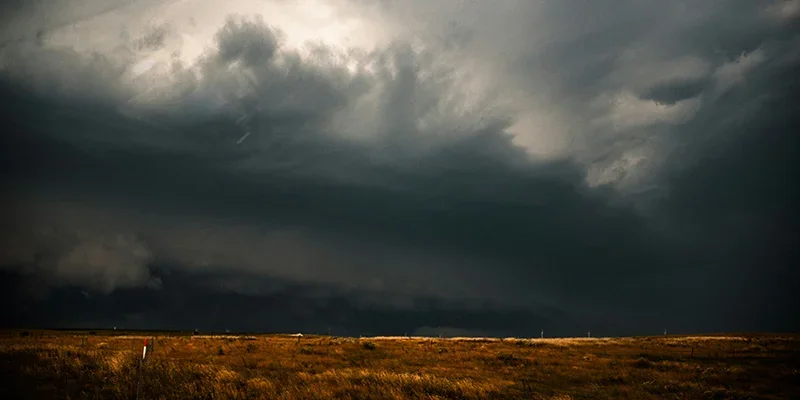
Lightning protection and grounding practices are part of the aquaculture system design for humid outdoor pond environments.
Low-voltage sensor sides and isolated control outputs help separate sensing from high-power aerator circuits.
Cloud and on-site alarm paths help operators know quickly when power events threaten aeration availability.
System components
These models provide cellular, LoRa, local I/O and alarm functions. Product selection depends on the site survey.
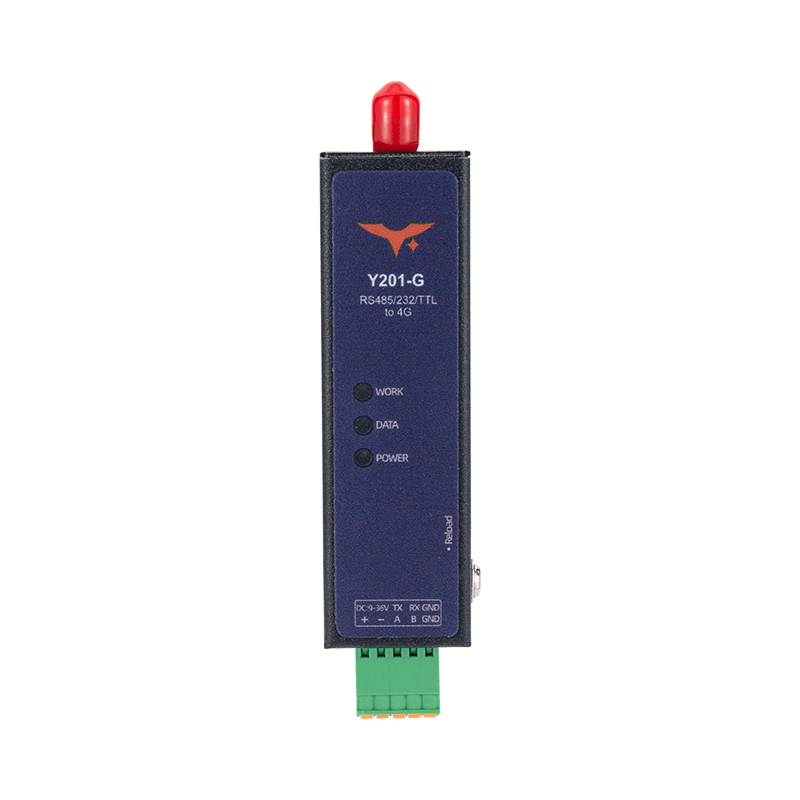
Cellular uplink
4G cellular, RS485/RS232. Cellular cloud gateway for aquaculture sites without broadband.
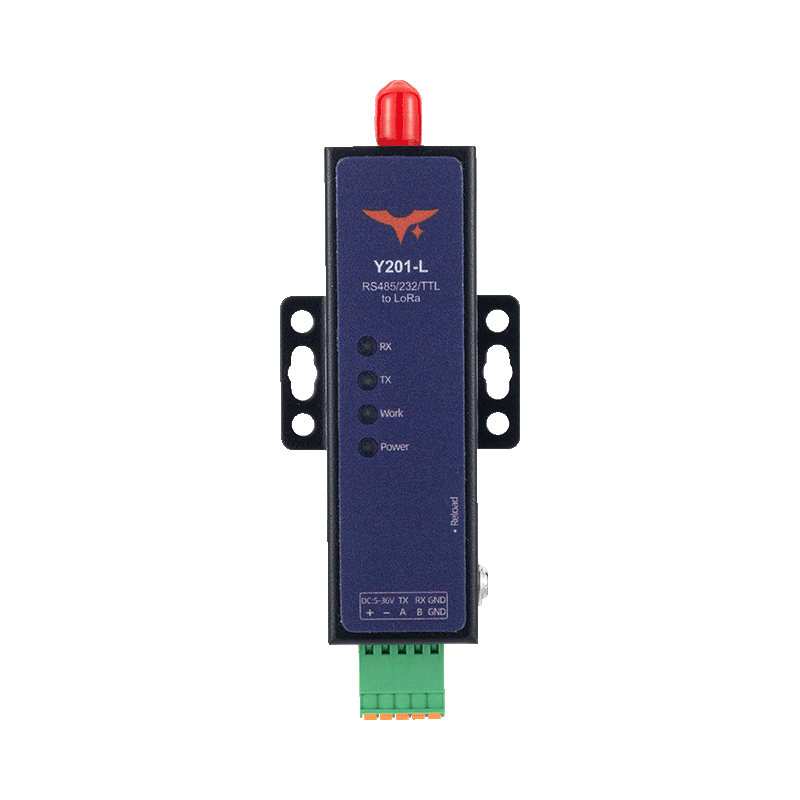
LoRa serial link
LoRa, RS485/RS232. Pond-side serial gateway for water-quality sensors and small weather station data.
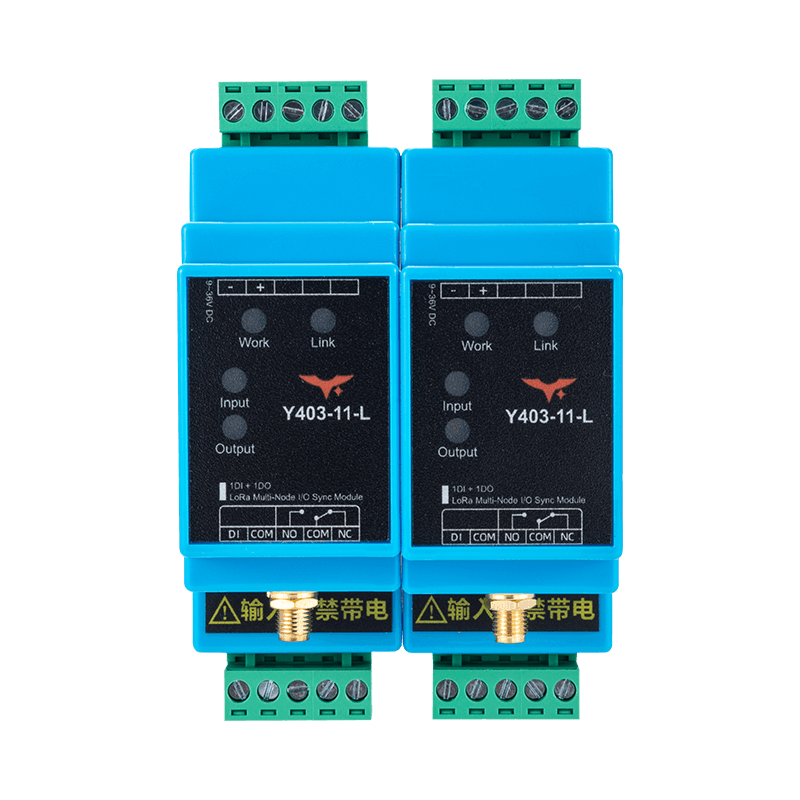
Auxiliary contact linkage
Mesh network, 1DI/1DO, LoRa. Local Mesh linkage controller for aerator or valve control points.
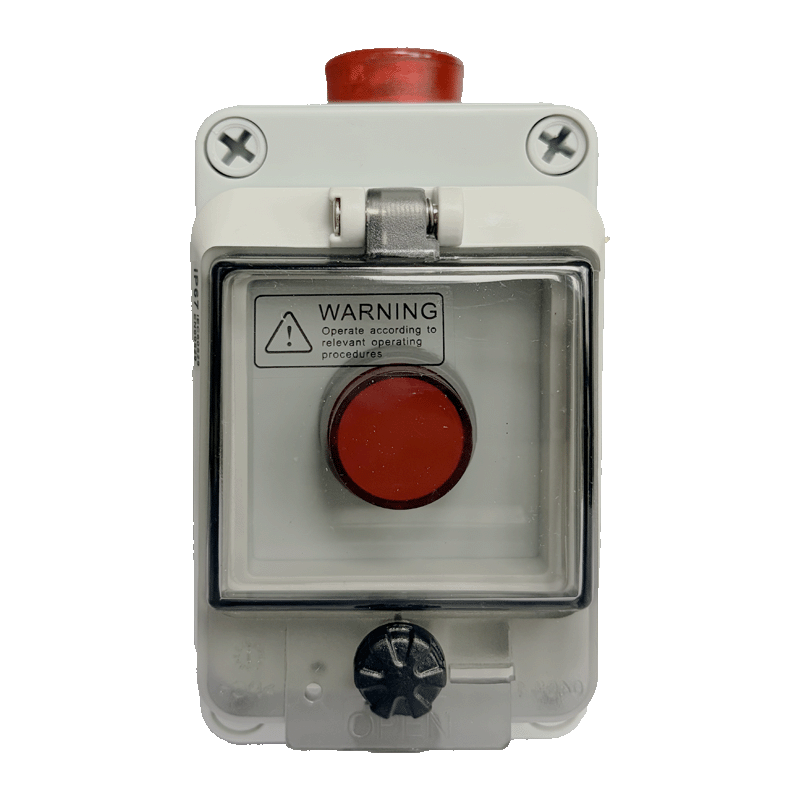
Staff-operated warning
Multi-point audible-visual warning triggered by staff through the built-in latching button. Automatic sensor alarm triggering is not a standard input.
Answers for farm owners and aquaculture technicians evaluating monitoring, local control, reliability and project scope.
Service life depends on the sensor type, water conditions and maintenance schedule. Confirm the selected sensor model and replacement interval before deployment.
LoRa coverage can be evaluated for pond-side points, while relay or local I/O may be used where the layout requires it. Water, terrain, vegetation, metal structures, antenna height and node power affect the usable link, so a field test may be required.
Outdoor protection, local control and alert behavior depend on the selected equipment and project configuration. Confirm enclosure, grounding, backup power, local rules and recovery behavior before deployment; the cloud alone should not be the only control path.
Sensor circuits and aerator circuits must be designed with appropriate isolation, overcurrent and leakage protection. The platform and I/O modules do not replace the site electrical design or required protective devices.
Cloud access needs a suitable uplink. Where 4G is weak, local LoRa or wired backhaul can be evaluated for field monitoring and control, but the actual topology and offline behavior must be confirmed for the site.
Aquaculture monitoring assessment
Tell us your pond layout, water-quality parameters and connected equipment.