
Temperature and humidity are checked too late
Periodic inspection can miss a temperature or humidity change between visits.
SMART COLD STORAGE · REMOTE MONITORING & CONTROL
Independent Single-Room Control, Cloud Management for Multiple Rooms
Y951 smart remote-control cabinets connect in-room monitoring points and refrigeration-support equipment while preserving local manual operation. Data, alarms and operating records from multiple cold rooms are brought together in the cloud.
On site
Cold rooms need visible conditions, controlled circuits and a clear response path when equipment or communication fails.
Periodic inspection can miss a temperature or humidity change between visits.
Distributed cold rooms make it difficult to compare status, alarms and operating history from one place.
Without circuit status and operation history, teams cannot review what changed during an incident.
Cloud commands require a connection; local manual control and the recovery process must be defined for the site.
System workflow
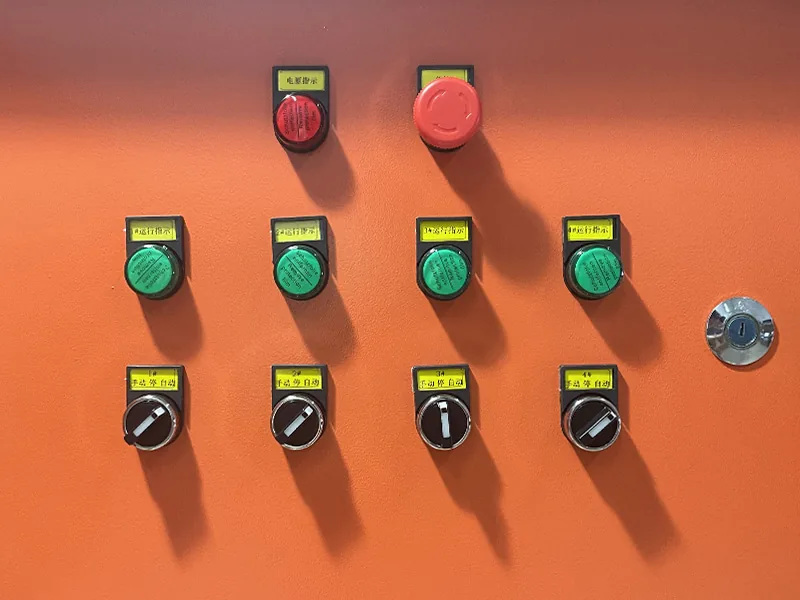
Use a field control cabinet for room-level operation and bring connected rooms into the platform.
Field sensors and compatible refrigeration-support circuits connect to the selected Y951 cabinet.
The cabinet provides the configured circuit-control functions and retains local manual switching.
Select 4G, Wi-Fi or RJ45 for the cabinet location, network and installed configuration.
The platform brings connected cabinet status, alerts and operating records into one view.
Cloud commands require network access. Circuit count, feedback, control authority and recovery behavior are confirmed for each room.
Monitoring and control
View configured temperature, humidity, equipment and cabinet online status from the platform.
Operate compatible refrigeration, fan, defrost, lighting and auxiliary circuits after the electrical scope is confirmed.
Send configured alerts for temperature limits, power events or cabinet offline status, with the response path agreed in the project.
Use trends, alarm history and operation records to review room status and incident handling.
Deployment planning
Start with the room layout and equipment list, then verify control, communications and alarm behavior before expanding the deployment.
List cold rooms, temperature and humidity points, refrigeration equipment, fans, defrost circuits, lighting and auxiliary loads.
Define which circuits support local manual control, remote operation, schedules or rules, and which protections remain local.
Assess 4G, Wi-Fi or RJ45 against the room layout, cabinet location, power and network coverage.
Verify normal operation, threshold alarms, cabinet offline behavior, manual takeover and restoration before copying the configuration.
System components
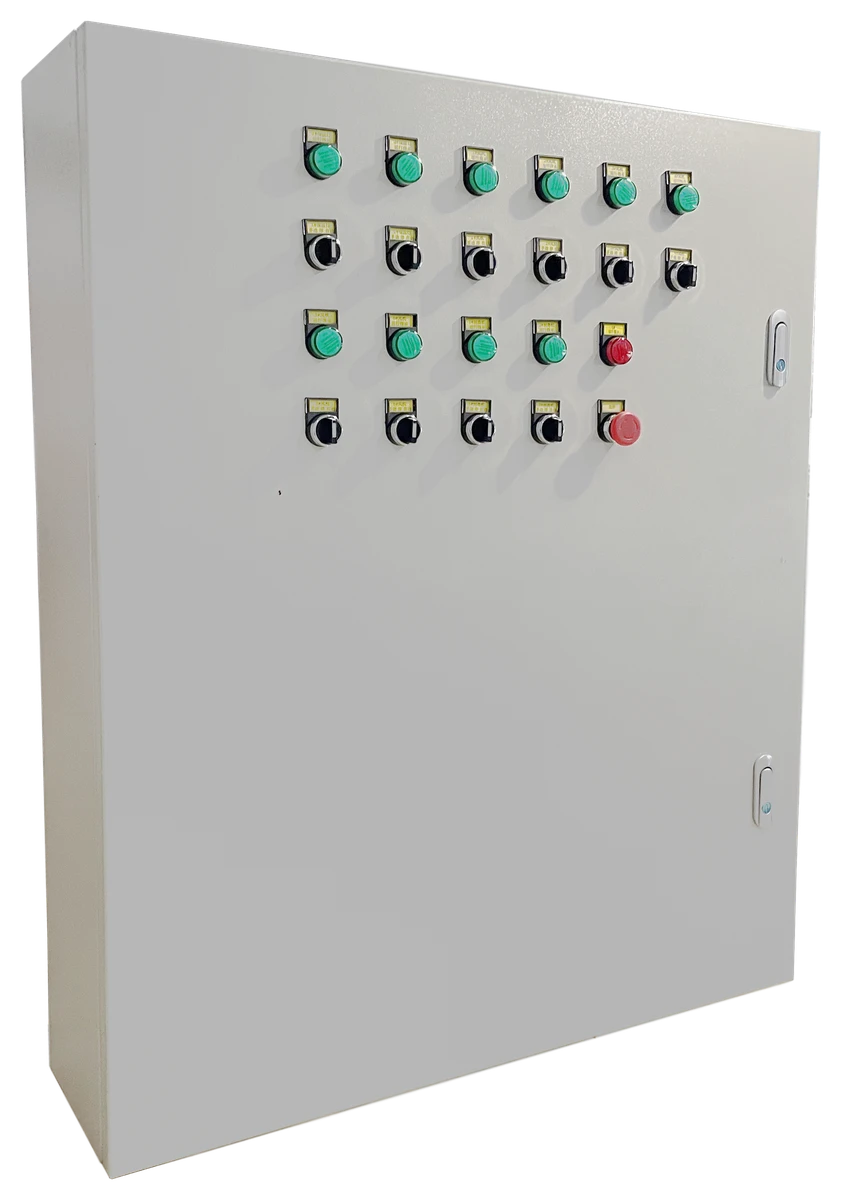
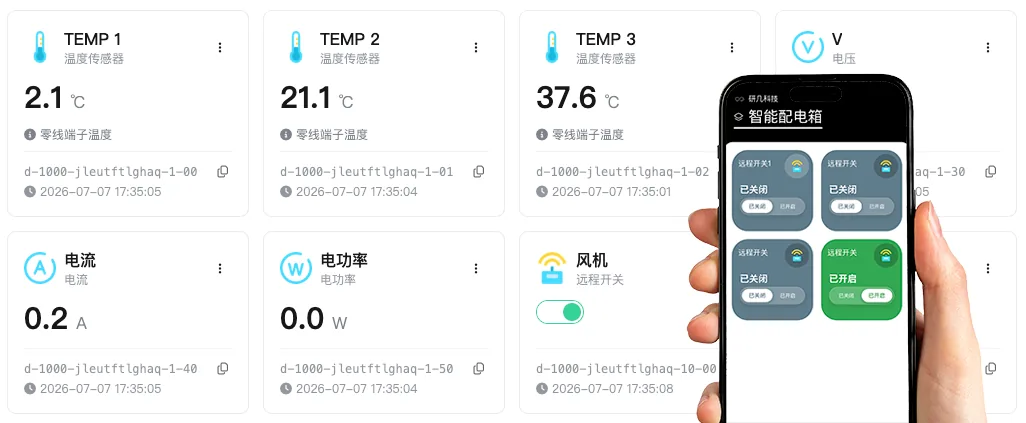
Y951 provides the local circuit-control node. IoT Cloud provides the shared monitoring, alarm and record layer for connected rooms.
Local circuit control
A 2–16 circuit field-ready cabinet for remote switching, schedules, status viewing and local manual control.
Monitoring application
A shared interface for device status, configured rules, alarms, history and approved remote operations.
Confirm the room layout, loads, network and response requirements before selecting the control scope.
Yes. Each room can use its own connected control cabinet and report to the same YenGear IoT Cloud account. The final topology depends on room distribution, circuit count, network and power conditions.
The cabinet retains local manual operation. New cloud commands cannot arrive while the connection is down; local automation, output state and recovery behavior must be designed and tested for the project.
Compatible refrigeration, fan, defrost, lighting and auxiliary circuits can be evaluated. Confirm voltage, load, starting method, protection, feedback and manual-control requirements before selection.
It can send configured alarms for monitored conditions and cabinet status when the required sensors, connection and notification settings are available. Thresholds, recipients and acknowledgement rules are project settings.
Provide the number and layout of rooms, monitoring points, equipment and circuit list, cabinet locations, power and network conditions, existing controls and the required alarm and response process.
Cold storage assessment
Tell us your room layout, monitoring points, circuits and site conditions.